
AAKAR ONE · THE COMPLETE FACTORY SOLUTION
Manufacturing ERP + CAD in one engine. A pairing you will rarely find
Draw it, mix it, or just list it. Your factory computes the rest.
A rare pairing in software: a complete Manufacturing ERP with CAD built into its heart, not bolted on. Start the way your factory actually works - draw the part, pick the parts it is built from, weigh it in as a recipe, or just list it in stock. From there, that one entry runs the whole shop: weight, cost, a quote you can stand behind, the job card in Hindi, wastage with a verdict, stock, profit and GST - computed, never typed. Build a hose kit, a pump set or a control panel and every part stays a product in its own right, with its own stock and its own life as a spare, so the day one fitting costs more, every kit built from it says so. Rubber, plastic, concrete, cable, foam, plywood, steel and every mix of them, with no consultants and no months of set-up, because your processes are already in the engine. And all of it lives on your own computer, inside your own factory.
Just one example: a conveyor belt, drawn. Your product could be a pipe, a paver, a gasket, a casting… Drag the sliders and watch everything recompute.
Σ = 11.0 mm. Skims are FILL: they take the remainder. Add a ply and watch them re-solve.
The same belt, in the units people actually ask for
Per running metre
₹2,327
1,000 mm wide · 12.2 kg/m
Per kilogram
₹190
material + making
Per square foot
₹216
50.0 m² in this job
Belt mass
12.24kg/m²
11.0 mm
Nobody typed one of these eight figures. Move any slider and every one of them moves - which is what it means for a drawing to cost itself.
Belt weight
612 kg
Material cost
₹1,10,280
Job work (factory) cost
₹6,084
Derived from YOUR work centres and machines. Set their details once (setup, run speed, press loads) and every estimate stays closest to real cost. Pricing decisions stand on truth, not guesswork.
Rate / m² (incl. setup)
₹2,327.3
= ₹2.33 / m·mm
Rate in the unit YOU speak: per m², or per running metre per mm of width (just ÷1000).
✓ estimate healthy: every material rated, every layer solved
₹/m² falls as the job grows. Setup is the same for 10 m and 1,000 m. We quote on the true curve.
WATCH IT HAPPEN
The belt above is the maths. This is the software doing it.
Nine minutes, recorded off the screen with nothing staged: a conveyor belt drawn layer by layer inside the real product, and then the four other doors a product can come through. No slides.
The doors a product comes through
Draw it
Layers, tubes, shapes. A conveyor belt born layer by layer, live.
Drop your CAD
The file IS the drawing. A solenoid valve, four parts, volumes measured.
Weigh it in
A recipe, not a shape. A paver weighed, a twine with its loss priced in.
Just list it
A name, a unit, a declared cost. A tin you buy and sell on.
Pick its parts
A product of products. A gas spring from nine parts that each price themselves.
Whichever door a product comes through, the record after it is the same one - which is why a quote, a job card and a cost sheet never disagree. The film works all five, and the same doors run live further down this page.
What do you make?
Type your product. Or tap the picture that looks like it. The site starts speaking your trade from that moment.
One material given a shape? We make it. A product BUILT from such parts: a valve, a pump, a panel, a machine? We make that too, and we call the pair of them Shape of Shapes. The test for which half is yours is simple: if you can keep that part on a rack and sell it on its own, it is a part and your product is an assembly. Search “hydraulic valve”, “control panel” or “pressure cooker” above and see.
Layers pressed into one
Tubes inside tubes
A skin on a body
A hollow inside
A core that fills
Something set inside
Same part, many times
Parts side by side
One solid shape
Make a product built from parts? We call it Shape of Shapes, and it opens two ways.
A product of products had no standard name in any software, so we named it. This is the DRAWN half: one product whose drawing holds many shapes, each with its own material. Bring your CAD and the file IS the drawing. This real hydraulic valve is seven shapes becoming one costed product. Drag to rotate, slide to explode. The other half, where the parts are separate products you stock and sell, is worked line by line in the next band.
DOOR 2: IMPORT IT · SHAPE OF SHAPES, DRAWN
hydraulic-valve-demo.stl → 7 parts → one assembled product
| Part | Material | Weight | Cost |
|---|---|---|---|
| Body | CI casting · ₹150/kg | 182 g | ₹27.3 |
| Poppet | EN-8 steel · ₹85/kg | 21 g | ₹1.8 |
| Spring | Spring wire · ₹180/kg | 6 g | ₹1.1 |
| Adjuster | MS · ₹75/kg | 34 g | ₹2.6 |
| Oring-main | NBR 70 Sh A · bought | 1.2 g | ₹2.5 |
| Oring-nose | NBR 70 Sh A · bought | 0.6 g | ₹1.8 |
| Backup-ring | PTFE · bought | 0.4 g | ₹4.0 |
| The assembled valve | 245 g | ₹41.1 | |
This is Shape of Shapes on the DRAWING side: one product whose drawing holds many shapes. Cast body, machined poppet, spring, rubber seals, each with its own shape, its own material and its own cost. Bought-in shapes join at their purchase price. The product totals them into one answer. Material cost is shown here, and machining and assembly join from the machine route, exactly like any drawn product. And if you keep those parts on a rack and sell them as spares, they are not shapes at all, they are products, and the next band shows that door instead. The same valve can come through either one. Which is true of YOUR valve is a question about your store, not about software.
DOOR 3: ASSEMBLE IT · SHAPE OF SHAPES, THE OTHER HALF
The valve above was one drawing of many shapes. This is one product of many products.
A hose assembly: hose we made, two fittings we bought, two ferrules we turned. Nothing here is typed as a percentage and nothing is drawn. You pick the parts and say how many of each go into one. That list IS the recipe. Drag either slider and watch the kit re-price itself.
ONE KIT, COSTED
Hose assembly, crimped both ends
| Part | Where it comes from | In one | Cost |
|---|---|---|---|
| Hydraulic hose, 1/2 inch | made here | 1.5 m | ₹273.00 |
| Female JIC end fitting | bought in | 1 pc | ₹96.00 |
| Male NPT end fitting | bought in | 1 pc | ₹88.50 |
| Ferrule, turned here | made here | 2 pc | ₹49.50 |
| Parts | ₹507.00 | ||
| Assembly grease | 8 g | ₹1.92 | |
| Shrink sleeve | 0.08 m | ₹2.80 | |
| Crimp both ends and pressure test | 6 min | ₹30.00 | |
| What one kit costs to build | ₹541.72 | ||
Parts, then the small things that are too minor to be products of their own, then your own labour from the kit’s route. Three lines of arithmetic, none of it typed twice. The hose is sold by the metre to other customers on the same day it goes into this kit, at the same cost, out of the same stock.
Move one part, every kit answers
Drag the hose rate. The kit is at ₹541.72 right now, and it was never retyped. A bought part gets dearer on Tuesday and every kit that uses it is dearer on Tuesday, with the old figure still on the record.
A part never stops being a product
The JIC fitting has its own stock, its own purchase rate, its own history. Sell one over the counter as a spare and that is an ordinary sale. Nothing about the kit is disturbed, and nothing was flattened into a typed number to make the kit work.
The build card takes the parts off the same rack
Order fifty kits and the card claims fifty of each part out of the very stock the sales pick screen reads. A fitting promised to this build is not offered to an order as well. What is claimed and what is free is one number, not two opinions.
Two ferrules spoiled is not "wastage"
Parts damaged at the bench and parts lost inside rejected kits are two different failures with two different cures, so they are counted apart and each one is named. The money stays in the kit either way. The audit tells you which it was.
Is my product a drawing or an assembly?
The test is simple. Can you hold that part in your hand, keep it on a rack and sell it on its own? Then it is a part, and the product is an assembly. If it only exists as a feature of one piece, it is a shape, and the product is drawn.
Yours is not a hose. The shape of the answer does not change.
A castor wheel
Moulded wheel made here, pressed bracket, bearing and axle bolt bought. Four parts, four rates, one piece price. The wheel alone is also a product you sell.
A control panel
Your own sheet metal enclosure, bought MCBs and contactors, wire by the metre, labels and glands. The enclosure carries its own drawing and its own scrap.
A safety harness
Webbing cut to length, forged hooks, buckles, stitching thread. The hook is a spare the day after it ships, and the certificate belongs to the harness.
A water pump set
Cast housing, machined impeller, bought motor, seal kit, packing carton. Sold as one piece, serviced part by part, costed both ways.
A part can itself be an assembly, and that one opens the same way. A part can be a drawn shape of shapes, and it brings its drawing. A part can be a thing you only buy, and it brings its purchase price. One product record underneath all three.
No drawing and no parts list? Two more doors.
Draw it (the belt above). Drop your CAD (the valve). Pick its parts (the hose kit). Or start even simpler: weigh it, or just list it. Every factory has an easy way in. Upgrade in place any time. Same product, same history.
DOOR 4: WEIGH IT (material recipe)
Moulded rubber gasket
Material cost / piece
₹29.43
Shares must total 100. The compound itself opens as a recipe: polymer, black, oil… recipes inside recipes, costed bottom-up. Draw it later on the same product row.
DOOR 5: JUST LIST IT (inventory)
Traded O-rings (bought & sold)
Stock value
₹10,800
That's the whole setup: photo, cost, stock. Traded goods never sneak into making-cost where they don't belong. Some products you make. Some you just sell. Aakar One knows the difference.
THE FILM · IN HINDI
Five and a half minutes, in your own language, end to end.
You have just worked all five doors. This is what happens after them - one order walking the whole factory, from the shape to the shipped lorry, without a figure being typed twice. No stock footage and no jargon, just the arithmetic your own day is made of.
What the film covers
Watch it with the people who will use it - the supervisor and the storekeeper decide more of this than anybody admits.
How you sell is how you quote
Pick whatever unit is natural for each thing, once. Aakar One carries every conversion from there and answers in the unit you rate in: ₹/pc, ₹/m, ₹/m², ₹/kg, ₹/L. Because that is the number in your head, and the number your customer argues about.
₹/pc
asks: pieces
A piece is a piece. The product already knows what it weighs and what it cost.
₹/m
asks: length only
Length is the only question. The product answers everything else.
₹/m²
asks: width × length
Sized products ask width and length. Nothing else, ever.
₹/kg
asks: kilograms
Bulk has no shape. The software refuses to pretend it does.
₹/L
asks: litres, and kg per litre
A litre sells as a litre. Its weight is a density you type once or the first weighed receipt settles, and a litre nobody can weigh is refused rather than guessed.
ONE PRODUCT · TWO UNITS
Make it in one unit. Sell it in another.
Your floor thinks in kilos. Your customer’s purchase order says metres. Both are right, and neither has to give way. Tell the product once how the two convert, and the order, the invoice, the challan, the e-way bill and the margin all follow.
What you declare, once
House wire, 2.5 sq mm
made in kg · sold by the metre
1 kg = 30 m
The same wire
made in kg · sold by the coil
1 coil = 3 kg
Valve handle
made by the piece · sold by the kilo
1 pc = 0.268 kg
Rubber compound
made in kg · sold by the tonne
1 t = 1,000 kg
What the software guarantees
- The floor never changes language. A 1,000 m order still picks 33.333 kg off the rack, and the job card still reads kg.
- The factor freezes on the paper it was saved to. Change it next year and last year’s invoice still reads the way it was signed.
- Every paper prints both. 1,000 m (33.333 kg) at ₹24/m, so nobody has to take your arithmetic on trust.
- The e-way bill carries that unit’s own government code rather than a guess. MTR for a metre, ROL for a coil, TON for a tonne.
Thirty-two units are already in the list, and the factor beside each one is yours to type.
Sized products work the other way round and keep their drawing, so they are rated in mm, cm, m, ft or yd instead. A roll of belting stays a roll of belting.
₹/m² of a sized product is not a constant. It falls as the job grows. Anyone quoting you a flat rate is guessing. We compute it at your size.
Others built one software for every factory. We sharpened ours inside each trade.
Field-proven across working factories: belting, hose, sheets, moulding, casting and more. And the trades that BUILD with those: machines, panels, furniture, farm implements, solar, cookware. A product made of products is Shape of Shapes, it enters by its own door, and its card sits last below. Tap any card. The back holds a detail only an insider would know.
Conveyor belting
Ply stacks with grade-bound covers. Steel-cord EMBED that displaces rubber. Σ-thickness validated. The skim takes the remainder.
Hose & tubing
NESTed layers whose radii must chain exactly: layer n+1 starts where layer n ends. Braid as a woven steel/rubber blend.
PVC & polymer sheets
Sheet materials measured in GSM & m². Stock that cuts length first, slits width second. Never the reverse.
Rubber moulding & injection
Mould pieces weighed once with flash & runner scrap %. Cavities × pieces-per-cycle carried on the route, so a four-cavity tool and a single do not pretend to cost the same.
Tyres, tubes & retreading
A tyre is plies STACKed on the drum with bead wire EMBEDded, every component on its own compound at its own rate, and a tube is butyl NESTed round a void. Cure time belongs to the press rather than to somebody’s memory, and the same tread compound that goes into your own build sells by the kilo to the retreader down the road.
Metal casting
Pour weight vs part weight as a visible correction. Runners & risers recovered TO a named reclaim material, credited at ITS rate.
Gaskets & oil seals
BESIDE + EMBED: metal inserts displacing rubber. Per-order stamps that describe the piece but never define the stock.
Profiles & seals
Custom die profiles drawn as polygons. Live area from the outline, per-metre weight straight from the section.
Cable & wire
Core-to-sheath nesting + armouring by the metre as LINEAR material. Drum-length economics on the true curve.
Rubber lining & rollers
COAT on chosen faces only: outer, inner, ends. Priced per m² of the face, not the body.
Coated fabric
Base cloth in GSM plus coats per side. Width-loss honestly named at slitting.
Foam & sandwich panels
FILL solves last. The core takes exactly the remainder. Cheapest-allowed fill quoted live.
Plywood & panels
Odd-ply stacks with alternating grain. Press daylights as stepped loads that round UP. Half a load still occupies the press.
Concrete pavers & RCC
HOLLOW + EMBED: voids that need no material, rebar that displaces concrete. Moulds amortised per piece.
Steel re-rolling
Section weight per metre from the profile. Yield and end-crop as measured, verdicted wastage.
Tiles & ceramics
Fired-vs-green size correction. Kiln output SORTED into grades: cost copies, price differs, margin stays honest.
Aluminium extrusion
Die cost amortised per kg pushed. Section weight from the drawn profile. Recovery on butts and scrap.
Ropes, cords & slings
Strands REPEATed into a lay, a core NESTed inside. Per-metre weight from the section and the lay factor - the same engine that draws cable. A sling is rope plus hardware, each at its own price. Twine and sutli sold by the kg are weighed in from their recipe: PP, masterbatch, UV, per batch.
Pipes & tubes
A wall is a NEST of layers whose radii chain exactly. Per-metre weight from OD, wall and density - so a new size or class is priced during the phone call, not after it.
Wire, mesh & fencing
One wire drawn once, REPEATed to a mesh count. Aperture and gauge give the weight per m²; the selvedge is honestly named, not averaged away.
Tapes, straps & elastics
Narrow widths slit from a drawn master: length cuts first, width slits second. Elastic, stiffener and adhesive as layers in one STACK - a jumbo roll becomes a price per slit metre.
Mats, flooring & roofing
Sheet goods in GSM and m² with the embossed or studded face carried on the same drawing. Interlocks sell as pieces, rolls by the metre - one record serves both.
Springs & wire forms
Wire REPEATed into coils: mean diameter × turns gives the length, the length gives the weight, the weight gives the cost. Setting and grinding live on the route, not in somebody’s head.
Forging & fasteners
Billet weight vs part weight as a visible correction, flash returned TO a named scrap material at ITS rate. One record sells by the kg to one buyer and by the thousand pieces to the next.
Footwear & soles
A sole is a mould piece weighed once, with flash %. Sizes 6 through 11 as variants of ONE record: each costed, each distinct in stock and paper. Counted by the pair, priced by the gram.
Buckets, crates & bottles
Blow or injection weight per piece with runner scrap named. The cap is its own tiny product BESIDE the body - two moulds, one sellable set, one honest cost.
Boxes & packaging
Plies STACK into board - GSM in, GSM out, moisture honest. A carton is board × its blank area, and the print pass joins as a COAT. Ply, flute and blank drive the price, not a guess.
Safety gear & PPE
A helmet is a mould piece. A dipped glove is a COAT on a former, counted by the pair. A harness is webbing + hooks + buckles in one product tree - Shape of Shapes, priced part by part.
Auto & electrical parts
A brake pad is friction compound EMBEDded on a backing plate. A filter is pleats + end caps in one tree. Bought-in parts join at their purchase price and never pollute the making-cost.
Machinery & equipment
A machine is a parts list with a labour bill. The bought bearing joins at its purchase price, the machined shaft at its own drawing, and neither pollutes the other. Build ten and the store shows ten sets claimed rather than a guess. The spares you sell next year are those same parts, already costed.
Furniture & fixtures
One frame, four finishes, and a price for each: variants that share the tube and differ only in the coat. Panel, hardware and packing are three ledgers, never one. The knock-down carton ships with the chair, so the box is costed with the product rather than remembered at the end of the month.
Lighting & electricals
A luminaire is driver plus housing plus LED board, each bought or made at its own rate. Move the driver price and every model that uses it re-prices on one screen. Counted by the piece, sold by the piece, and the board you keep for a warranty claim is the same product you built with.
Farm equipment & implements
A sprayer is a tank, a pump, a lance and a strap, and the farmer’s spare is any one of them. Season buying means parts sit for months, so what is claimed for a build and what is still free to sell is the number that decides the week.
Kitchen & houseware
A cooker is a body, a lid, a gasket and a safety valve: four rates and one price. The gasket is a spare from the first day it ships, so it never stops being its own product. Steel comes in by the kilo and leaves by the piece, and the press scrap is weighed back at its own rate.
Solar & renewables
A module, a structure and a pump are three trades arriving in one shipment. Clamps and fasteners are counted, the structure is billed by the kilo, and the customer still wants one number. The kit quotes as that one number while every part underneath keeps its own cost and its own stock.
Sheet metal fabrication
Blank, bend, weld, powder coat. Sheet is bought by the kilo while the enclosure sells by the piece, and the nesting decides how much of that kilo becomes scrap. The scrap is weighed back to its own material at its own rate instead of being averaged into the part.
Shape of Shapes: assembled products
A product of products, and every part stays a product. The cast body carries its own drawing, the bought seal its own purchase price, the packing gum its own weigh-in. Cost adds itself up, so one part’s new rate re-prices every kit that uses it the same day. Build a hundred and the store shows a hundred sets claimed, the damaged ones named rather than averaged, and the part you sell as a spare tomorrow is the same record.
Hover or tap a card to read the inside detail.
Depth like this does not come from a requirements meeting. It comes from standing on the floor. No generic ERP reaches it in even ONE of these trades, however many consultants it sends in. We reached it across all of them, because underneath is one engine that understands shape itself. That is niche of niche, and it cannot be copied by adding a feature.
WHY IT FITS WITHOUT A CONSULTANT
Nobody has to teach this software what a factory is.
Every big ERP arrives empty. It understands accounting and it understands forms. About your work it understands nothing, so the consultants come. Months of meetings to explain your process, then months of customisation to encode it, then a bill bigger than the licence itself. What comes back is heavier than what you started with, still talking in item codes, still one size away from the thing you actually make. Aakar One arrives already knowing how things get made.
The long way round
How the big ERPs reach a factory
- A discovery phase, where you explain your own factory to strangers who have never stood on a floor.
- Every process turned into a custom form, and every form carries its own invoice.
- Months before a screen does anything your diary was not already doing.
- The complexity they built now lives with you. Nobody in the factory can change it without calling them back.
- And after all of it, the software still does not know what a ply is, or a pour, or a remnant.
Aakar One
It fits the industry by itself
- The manufacturing processes are built into the engine. Nobody configures them onto it afterwards.
- You enter the product you already make - drawn from shapes, built from the parts it is made of, weighed in as a recipe, or simply listed. That is the entire implementation.
- Shapes, joins, parts, materials, routes, work centres and machines are the language it thinks in, so your trade is already inside it.
- Days, not months. No consultant bill, because there is nothing left to build.
- The depth does not thin out when you move trade, or when one trade builds with another. The same engine runs belting and casting and cable, and the machine assembled out of all three.
This is the part most people miss about a niche.
A generic ERP can be pushed towards your trade, at great cost and great complication, and it still stops at the surface. Aakar One is built the other way round. Underneath it is one engine that understands shape, material and process, which is what every factory has in common. That is why it fits your industry on its own, and why the fit goes all the way down instead of stopping where the consulting budget ran out.
1000+ products. Zero chaos.
One product record is a whole family. Bind a dimension per order and every size is already costed. Bind per grade and M-24 / N-17 / HR are three faces of one record. A kit is a family too: one parts list, one build per finish, each priced from the parts it actually takes. Variants carry their own trade names, specs and margins. Groups carry the law: unit type, HSN, GST, routing, margins. So product #1001 is born standardized.
0
drawings in this demo
0
variants on them
0
sellable size-combinations
0%
of them already costed
Change the shape. Everything changes. Quote, job card, cost sheet, brochure. Everywhere, instantly. And cards already on the floor stay frozen: the past is never silently rewritten.
Don’t take our word. Work the screens.
Three real screens, loaded with sample data. Scrub, sort, click. This is the software, behaving.
The day log at this moment
PRESS-1 sat idle 13:30–15:06. That gap is tomorrow’s first conversation. A camera shows pixels. The Floor shows meaning for any day, replayed. And on the real thing, you draw YOUR floor to scale.
The whole factory, room by room
Thirteen workspaces, one thread. Here are the ones your working day runs through. Tap any room. We’ve listed only the things you won’t find in a generic ERP.
Your leakage, in your own rupees
Conservative assumptions, every working shown. The same way the software itself behaves. Slide to your turnover.
Recover even a third and Aakar One pays for itself in its first few months. Then it keeps paying you every month after.
The honest comparison
No names needed. You already know all three. Where a system does the same job as ours, its landed cost is printed: not the sticker on the licence, but what a twenty-person plant actually pays to be running. Ours is not printed. Ask, and put it beside the quotations already sitting in your drawer.
| What to compare | Big ERP | Monthly-rent cloud | Books software + Excel + diary | Aakar One |
|---|---|---|---|---|
| What it costs | ||||
| Year one, all in | ₹10–26 lakh | ₹5–10 lakh | ~A ledger, not a factory system | ✓One licence, plus days of setup |
| Every year after | ₹3–4 lakh AMC | ₹1.7–4.8 lakh, for ever | Renewal only | ✓One small fixed AMC |
| Five years, one plant | ₹25–40 lakh | ₹17–24 lakh, and you own nothing | Cheap, and the factory still runs on diaries | ✓A fraction of either, and it is yours |
| Adding people | ₹80,000–1.6 lakh, a licence each | ₹The meter runs per seat | — | ✓Seats with the plan, devices free |
| Does it know your factory? | ||||
| A drawing becomes a price | ✗Generic “items” | ✗Forms | ✗Vouchers | ✓Give it the geometry |
| A parts list becomes a price | ~A BOM module, after the consultants | ~A BOM form, priced from typed numbers | ✗Nothing of the kind | ✓Parts stay products, the kit adds itself up |
| The spare you sell next year | ~A separate item, keyed again | ~A separate item | ✗A line in a bill | ✓The same part record, already costed |
| Mix → job card → floor | ~After the consultants | ~Nearest template | ✗A diary | ✓One thread, live |
| A lot traced to dispatch | ~Extra module | ~Add-on | ✗Memory | ✓Batch to the truck |
| What a product really cost | ~Consultant-configured | ✗Not really | ✗Guessed at year-end | ✓Machine-hour rate + variance |
| Wastage and scrap | ✗Written off | ✗Written off | ✗Nobody knows | ✓Weighed, judged, calibrated |
| A new size tomorrow | ₹Change request | ₹Per-form charge | Re-type in Excel | ✓New drawing = ₹0 |
| The India work | ||||
| GST returns + 2B match | ~Indian add-on | ~Varies by vendor | ✓Its home ground | ✓GSTR-1, 3B, 2B matched |
| TDS · 194Q · 26Q · 24Q | ~Manual working | ~Add-on | ~Basic | ✓Thresholds watched for you |
| Payroll, PF, ESI, PT | ₹Extra module | ₹Extra per user | ✗Separate software | ✓Included, with the files |
| Books your CA accepts | ✓Yes | ✓Yes | ✓That is the product | ✓Derived, and exports to Tally |
| Living with it | ||||
| Where your data sits | ~Their consultants know it | ✗Their cloud | ✓Your PC | ✓Your server, always yours |
| Internet goes down | ✗Stops | ✗Everything stops | ✓Keeps working | ✓Keeps working on your LAN |
| If you stop paying | ✗Locked, data with them | ✗Access gone | ✓Keeps running | ~Read-only. Data stays yours. |
| Who answers the phone | A partner firm | A ticket queue | A dealer | ✓The people who built it |
Why the third column carries no price
Because it is not the same purchase. Books software keeps books well and cheaply, and we are not trying to replace it. It does not cost a part from its drawing, turn a recipe into a job card, watch a floor or trace a lot to the truck it left on. Printing its price beside an ERP's is pricing a calculator against a factory, and it flatters nobody. Keep yours: we hand it the ledger and your CA never notices a change. What it cannot do is the rest of this table.
Figures are publicly listed 2025–26 prices for each class of software, sized for one plant of about twenty people who log in, and include the implementation a system needs before it fits a rubber factory. Every vendor quotes differently, so ask them yourself. One row is worth reading twice: stop paying us and the software goes read-only, but the database, the exports and every printed document stay on your machine, because nothing of yours was ever on our cloud.
From Draw to Dispatch. One licence, one factory, one thread.
“Ek baar lo, hamesha chalao. Na consultant, na meter, na kiraya.” Ask for the price and put it beside the quotations you already have. That comparison is the easiest part of this decision.
How far down the thread do you buy?
Every plan is a set of whole rooms - never half a workspace - so a plan, a quote and your own sidebar always describe the same shape. Each rung buys more of one thread, not a different bag of features.
- Material valued at its landed rate - freight and duty inside, a moving average, not the price somebody typed last April.
- GSTR-2B reconciliation that explains each gap in plain words, sorted by rupees at risk, with the supplier’s number on the row.
- Quote, order, challan, invoice, collection. One chain, and the lot that shipped is named on the paper the customer argues about.
- The customer side is one record: the firm that ordered is the firm the lot ships to, the firm the invoice names, and the firm whose ledger you argue over. One party, one history.
- Dispatch and the lorry too - e-way bills, freight that lands on the right lot, and a lane you can look up before you promise a date.
Want the whole thing on paper?
The full brochure - the thread step by step, every workspace, the plans and the four questions everybody asks. Reads on screen, prints clean.
Prices are not on this page on purpose. They mean nothing until you have seen your own part costed on your own screen - so we show you that first, then talk money.
Aakar Sense - the six people you never got round to hiring
Every factory this size runs short of the same roles: a draughtsman, a compounder, a storekeeper, an estimator, somebody to chase where the wastage went, somebody to plan the week. Aakar Sense is those six as AI - each doing the one job it is named for, inside a system that already holds your drawings, your rates and your floor. The hard part was never the typing. It was that all of it had to mean the same thing to each other. That part is already built.
AI Product Designer
Describe the part. It draws itself.
Say it the way you would to a draughtsman - “three-ply, 3 mm top cover, 1.5 mm bottom” - and a real drawing appears in your catalogue: layers, dimensions, materials, already costed and ready to edit. The shapes and joins were always the language, and this lets you speak it instead of clicking it.
AI Compounder
Read the mix out. Get a costed batch.
Read a compound sheet out loud - parts by weight, a mixing loss - and it becomes a costed recipe that publishes as a material with its own rate. The same door for a factory that mixes rather than draws.
AI Storekeeper
Stock, entered by talking to it
Say what arrived and where it went. The lot is created with its size, its grade and its shelf - no form, no dropdown hunt. The register still moves the way it always did. Only the typing goes.
AI Estimator
A price it can argue for
Not a number from nowhere. It reads what the job actually costs at that size, what this customer paid last time, what the room pays, and where your floor sits - then says the number and shows the arithmetic. You still decide.
AI Process Engineer
Wastage that tells you where it went
The verdict already exists - OVER, SAVED, WITHIN, against a standard measured from your own clean cards. Next it reads across months and says which machine, which shift and which material the loss is concentrated in, in a sentence.
AI Planner
What to make next, and what to buy for it
It already knows the open orders, what each one needs, what is on the rack and how long each machine is booked. Next it reads all four together and answers the Monday question: run this first, that order is short by two days, and these three materials must be ordered this week or the run stops.
It will suggest and never post. Nothing reaches your stock, your books or a customer’s bill without a person pressing a button - the same rule everything else here follows.
The Aakar Assistant is already in the corner of every screen
Ask it where a setting lives, why a number reads the way it does, or what a screen expects of you - and get the answer without leaving the screen you are on. No ticket, no waiting for a call back, no losing the half-typed job card you were in the middle of.
It answers from this software’s own manual - not from the open internet - so it never invents a menu that does not exist. When it does not know, it says so and puts you through to a human.
Aakar One, ab jeb mein.
The Aakar One app is the owner’s live window. The same live pulse this page demos, running to your phone. The factory answers you wherever you are.
- ●The live floor, glowing from the parking lot
- ●Today's needs-attention, filtered to you
- ●Collections at a glance. Approvals on the move
- ●The morning digest. Alerts when a machine stops
Aakar One
Live floor
Collections
₹4.2 L today
Needs attention
2 approvals · 1 QA due · GST step 3
OUR STORY
Born on the shop floors of running Indian factories.
And not imagined from an office. We personally walked rubber, polymer and metal factories and sat with the people who actually run them: owners, supervisors, storekeepers, accountants. We collected the problems no software had ever handled. Wastage that ends in an argument instead of a number. Rates averaged across sizes until margin quietly leaks. Pour weight that never matches part weight. Stock only the old storekeeper can find. The 2B-matching nights before every filing. Then we built each one into the product. That is why every screen feels made for your trade. It was.

RUBBER
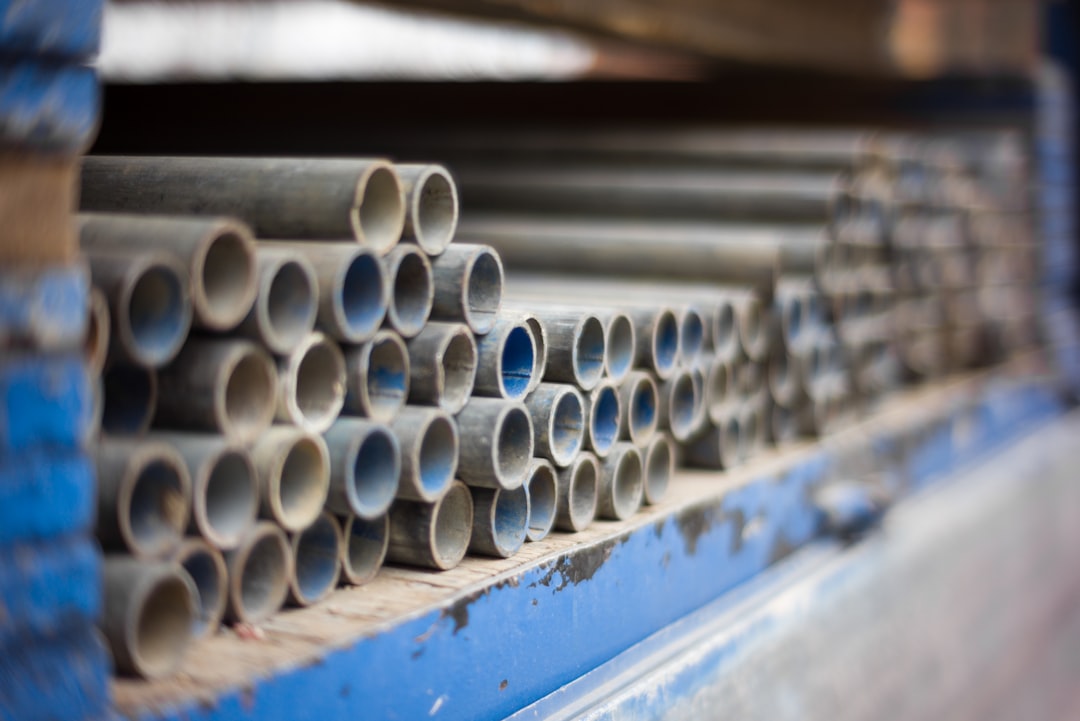
belting · sheets · mouldings · hose
POLYMER
pipes · profiles · cable · foam
METAL
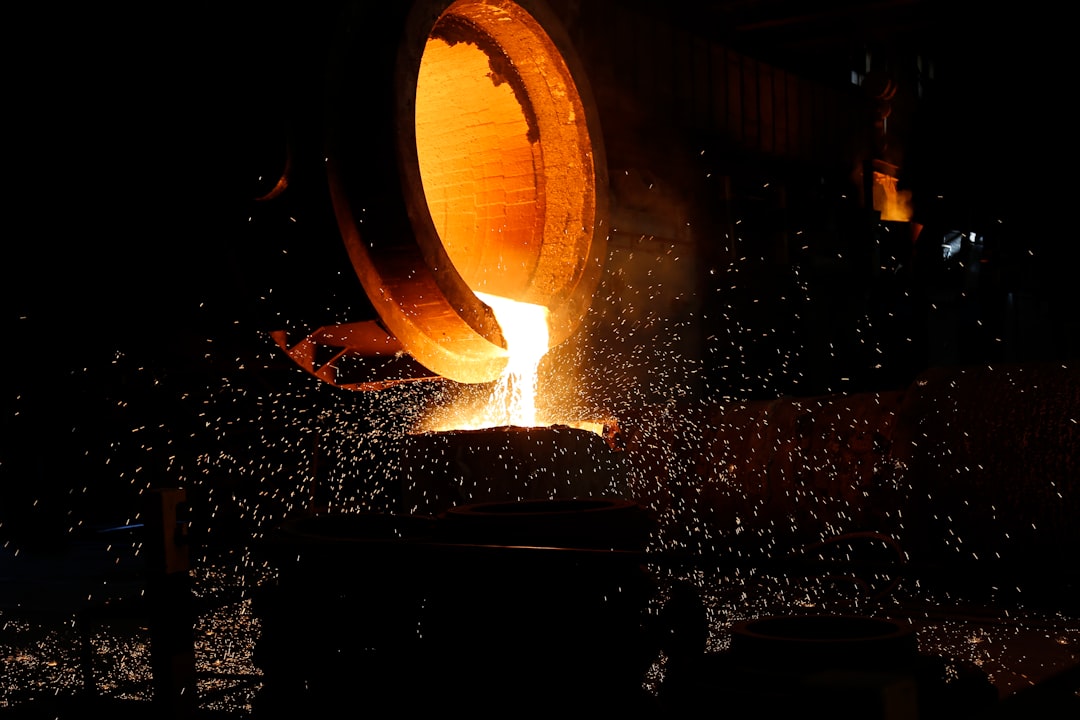
casting · rolling · extrusion
“Aaj rate aapke dimaag mein hai. Kal beta puchega: papa, rate kaise nikalte the? Ab jawab software mein hoga, sirf yaadon mein nahin.”
Your life’s knowledge, made permanent.
“System ek din sabko lena hi hai. Sawaal sirf itna hai: pehle loge, ya mehenga loge?”
At this price, taking Aakar One now is the best deal that will ever exist.
Everything this page just showed you is barely a glimpse of Aakar One.
A website can only demo what fits in a scroll. Beyond it runs a whole factory, end to end: drawing to dispatch, floor to GST, khata to Form 16. That, you have to see live.
Book a demo. See the whole machine →On your screen, or standing in our factory. Your choice.
The Aakar Advisor: your setup plan in five taps
Five warm questions about YOUR factory. The answer is a plan, not a brochure.
1What do you make? (type it)
or pick your trade:
Every doubt, answered straight
“Humare paas toh Tally hai.”+
Keep it. Your CA lives there, and we export to Tally cleanly. We replace the diaries and the three Excel sheets that never match, not your accountant.
“ERP bahut mehenga padta hai.”+
The costly part of an ERP was never the software. It is the implementation. Here there is no implementation project, because implementation means entering the products you already make - drawn, weighed in as a recipe, or simply listed. You can do that yourself, and if you would rather we did the legwork, that help is priced in days. One licence, one time. No meter.
“Consultant lagega? Kitne mahine lagenge?”+
Neither. That whole consulting industry exists because a big ERP turns up knowing nothing about manufacturing, so somebody has to be paid for months to teach it. Aakar One already carries the processes inside it: shapes, materials, joins, routes, work centres, machines. That is why it fits your industry on its own instead of being bent towards it. You enter what you already make - drawn, weighed in as a recipe, or simply listed - we seed your trade, and the factory starts running. Nobody camps in your office for six months, and nobody hands you back a customised system that only they know how to change.
“Staff computer nahin chalata.”+
Most of your factory never logs in. Job cards print in Hindi, the notice board runs on a TV without login, attendance is a QR badge. The office uses screens. The floor uses paper and walls, and both of those come from us too.
“Humari har size alag hoti hai.”+
That is exactly who this is for. Draw once and every size is already costed, on its true curve, floor price included.
“Internet ka bharosa nahin.”+
Good, because Aakar One does not need it. Even the India map works offline. Your data lives on your computer, in your building.
“Data ka kya hoga agar band karein?”+
It is on YOUR computer, in YOUR backups, and it exports. There is no cloud to be locked out of. That is the whole point.
“GST file kar dega?”+
It prepares everything to the rupee and matches the portal file. Your CA does the filing, and the screen says so in plain words. Software sitting inside your factory has no business holding a filing licence.
“Hum export-import bhi karte hain.”+
Handled. Mark a buyer as export or SEZ and the tax engine does the rest: IGST on its own, place of supply set to exports, no thinking required. Quotations go out in US dollars, euros, pounds or dirhams when the buyer wants their own currency, and on the purchase side your import bills of entry turn up in the GSTR-2B match, port code and all. Full foreign-currency invoicing with locked exchange rates is being built now.
“Hum parts jodkar banate hain.”+
Then you are in the right place, and there is a whole door for you: ASSEMBLE. Pick the parts your product is built from and say how many of each go into one. That list IS the recipe, so nothing is drawn and no percentages are typed. Every part stays a real product with its own stock, its own cost and its own life as a spare: the one you make brings its drawing, the one you buy brings its purchase price, the one that is itself an assembly opens the same way. The small things too minor to be products, the gum and the strapping and the packing, are weighed in beside them, and your own labour joins from the route. Change one part’s rate and every kit that uses it re-prices the same day. The hose kit on this page is that door, worked line by line.
“Hum textile mein hain, chalega?”+
Partly, and we will be straight about it. Dyeing and process houses fit today: recipes by the kg, job-work challans with the Rule 45 clock, piece-rate payroll, GST. Garment units with size sets and styles do not fit yet, and we would rather say so than sell you half a product. But if you make parts FOR the textile industry, needles or cylinders or machine spares, you are exactly who we built this for.
“Kitne din mein chalu hoga?”+
Installed in a day. Seeded for your trade. First job card prints the same week, in Hindi.
Easy connect: 30 seconds
Six small boxes. Your details land straight in the founder’s inbox.
Or reach us directly
+91 98151 81222 · fastest reply
Call
Naman Bhandari · +91 98151 81222
namaste@aakarone.in
Come watch a factory run on it. Ours.
The living showroom: real compounds, real job cards, real GST months. Mention a visit in the form or on WhatsApp. We’ll fix a week.
Incoming · Aakar Advisor
Your factory consultant
Namaste! What does your factory make? Tell me, and I will show you how Aakar One fits.